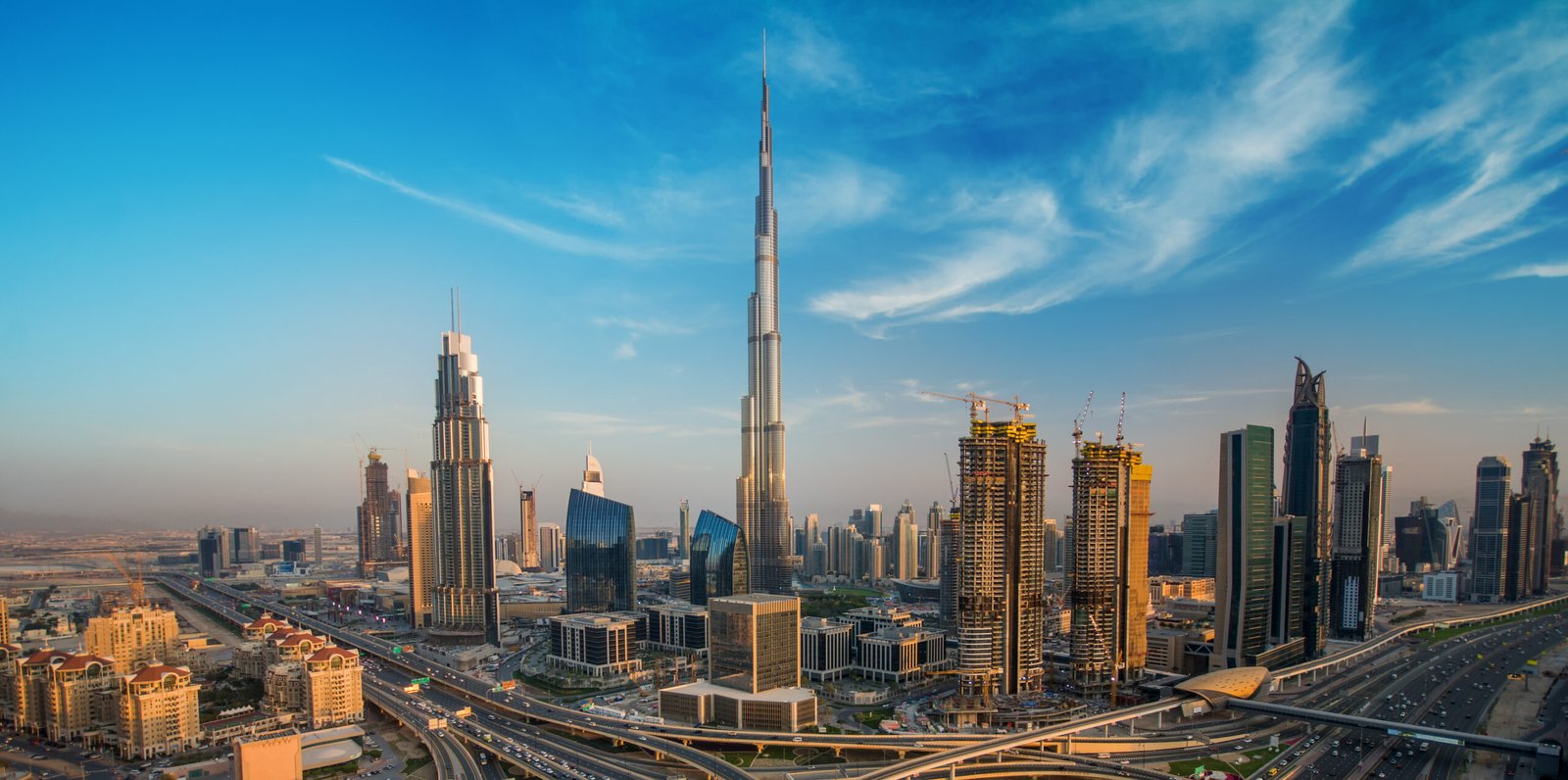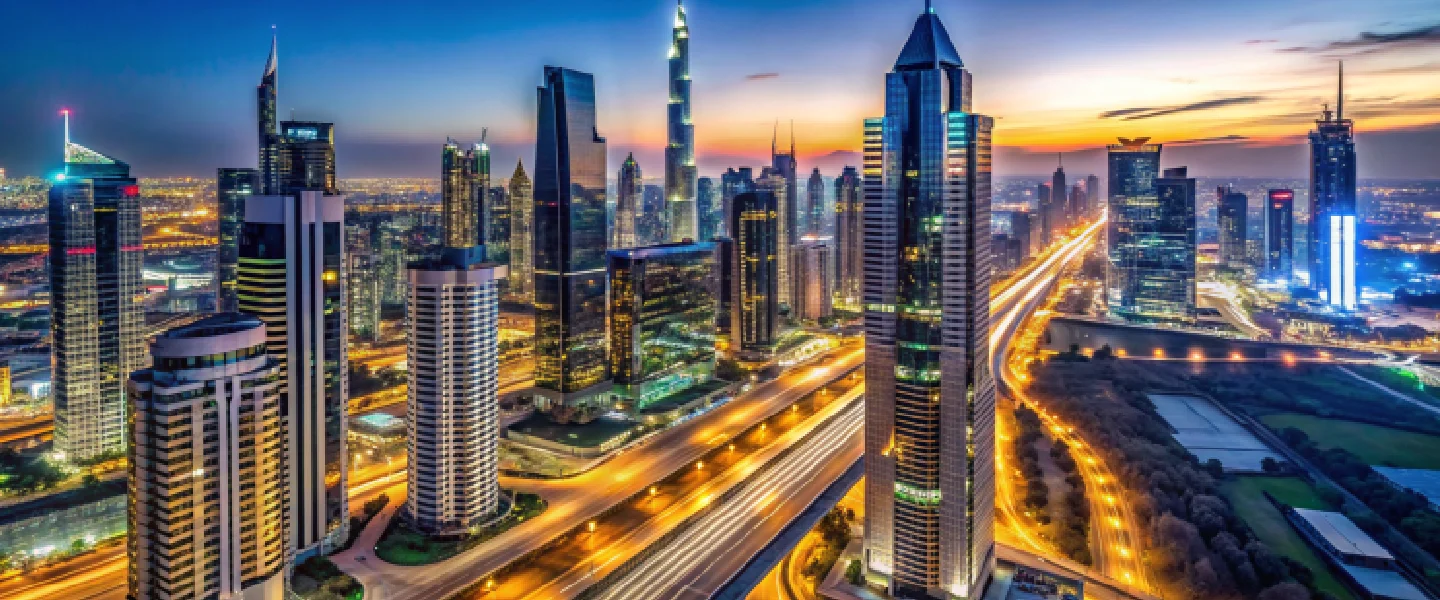


Is 2026 the right time to invest in Dubai real estate?
The question has intensified due to a massive transition from “high boom phase” to a geopolitical tension and disrupted supply chains.
In the current market, the maturity cycle of Dubai property requires careful risk assessment for heavy or seasonal investors and end users.
Why not? In the first few days of March 2026, the Dubai property market has already seen a fall of 37%. And, some properties are ready to reduce the entry price by 12-15%.
This can definitely raise concerns about logical investment and future returns.
But like others, do you really step back until the situation reverses?
Or, would you approach it as a blessing in disguise?
Take a moment to think. And, in the meantime, let us guide you with actual data, not false speculation.
Dubai Real Estate Trend: Rapid Growth in 2025 Sets the Stage for Stabilization in 2026
Before we talk about what’s happening around Dubai property today, let’s have a recap on Dubai properties’ strongest performance in 2025.
- Total transaction & its value: According to Dubai Land department’s latest news, over 270,000 property transactions worth AED 917 billion have been recorded. While 23% of investors are newly entered, resident investors remain around 56% of the total. It’s showcasing how the market is still in demand.
- Avg. price per square foot: There is a noticeable spike we’ve seen in both the primary and secondary markets. While in the primary market, the average price per square foot increases by 6.7%, the secondary market has achieved a rise by 11.2%.
- Gross yields: While luxurious properties have experienced an investment of AED 3.98 billion, tenants stick to the rental property for an average of 4.8 years. Average gross yields remain at 5.3% for villas and 7.1% for the apartments. This highlights the demand among tenants and investors’ opportunities from both short and long term rentals.
- Off-plan sales: Around 69% of total sales transaction and 65% of total value alone accounted for off-plan sales. This shows how the exclusive offplan properties and newly launched projects attract investors’ pockets.
- Sales through tokenization: In the pilot phase of tokenization in May 2025, Dubai experienced a total capital investment of over AED 18.5 million. And, there were 70% of investors who willingly bought a slice of the first tokenized property, setting the benchmark. In 2026, an explosive growth has been predicted too.
Dubai Property Market Forecast 2026: Top Investment Opportunities by Area & Segment
Strategic investors are more likely to focus on Dubai’s higher ROI and growth hotspots. And, so you can.
Segment | Top areas | Forecasts yield (gross) |
High cash flow | DIP, JVC, Arjan | 8-11% |
Long term growth | Dubai Creek Harbour, Dubai South | 7-9% |
Resilient luxury | Palm Jumeirah, Downtown Dubai | 5-7% |
Quick short term rentals | JBR, Dubai Marina | 8-10% |
Current Key Risks to Be Considered in the Dubai Property Market
Amid the escalation of geo-politics and a war-like situation, a news story has aired, though it’s anonymous due to sensitivity.
A premium property near Burj Khalifa is now open for “quick sale”, cutting the price by 12% from the previous. In fact, shares in property developers have fallen around 3% due to a drastic disruption in supply chains. And, due to the “considerable risk”, 1% of future population growth is estimated now and 2-2.5% to 4% in upcoming years.
Analysts have predicted that this situation can altogether deter new home buyers, tenants, and property market players. More importantly, this can influence sentiment driven adjustments and price correction in major offplan and ready properties in Dubai.
Strength of Underlying Dubai Real Estate Fundamentals
We know the reason behind your doubt, adrenaline rush, and the anxiousness at the same time.
That’s why we would like to share with you the good news: positive activities in the Dubai property market haven’t stopped yet. Though everyone has come up with their own risk assessment and the idea of how they can perceive it.
While everyone is busy seeing the problem, why don’t you look at the other side of the coin: the solution.
- Lower entry price: We can take advantage of “shrinkflation”. Think of some luxurious residential and commercial hotspots in prime locations such as Business Bay, Dubai Marina, JVC, Jebel Ali, or Downtown. You can acquire a share of the property by just investing as low as AED 2,000 through tokenization. Alternatively, you can buy a whole high quality unit at a significant discount as developers are now responding to the price sensitivity.
- Higher rental yield: Needless to say, Dubai’s average rental yield lies between 6-10%. And, this really outperforms other well-known global cities like London, Miami, or NewYork where you can get a 3-5% yield annually.
- Tax efficiency: As you know, Dubai’s property tax rate is set at zero. No matter if it’s a tax on personal income, rental yield, or capital gains. Alongside, an investment of a minimum amount of AED 2 million can secure a 10-year golden visa for you.
- Flexible secondary market opportunities: This is what opens the buyer window at a softening market price by 10-15% now, don’t lose it. In February 2026, the round-off transaction volume reached over 16,000 sales. This showcases the sustainable liquidity in the market despite market fluctuation and regional tension.
Final Thought!
Whether you’re a local investor or an international buyer, being cautious is natural. We understand your concern.
But the Dubai real estate market in 2026 cannot be defined as either completely risk-free or fundamentally unstable.
Instead, think beyond tensions, risks, and short-term fluctuations. Be a strategic investor who understands market dynamics and recognizes how uncertainty can create smooth entry points for future opportunities.
We agree the timing is unexpected, but have faith in the upside. Dubai’s real estate market is likely to regain resilience soon.
So, before entry prices are locked in by stricter regulations or driven up by a sudden boom, make your move. If you need help with mortgages, selling, or leasing, talk to our investment experts to build a structured growth strategy.
FAQ
Yes. For example, luxury properties in Dubai Marina often range between 1,365 - 2,145 AED. In India, a sea-facing unit in Mumbai’s Worli can cost you above 3,510 AED.
Yes. If you invest at or above AED 2 million, you’re eligible to get a Golden Visa.
The UAE Dirham is pegged to the USD. Even if the market fluctuates, your Dubai property value doesn’t affect. While in India, you can see the annual depreciation.
Dubai charges 0% tax, while India may tax you global income. Property Management firms in Dubai provide digital statements that make international filing seamless.
Yes. Unlike India’s FEMA rules, the UAE has no capital repatriation limits. You can move 100% of your funds back to India or any global account instantly.